THE GUT IS YOUR SECOND BRAIN
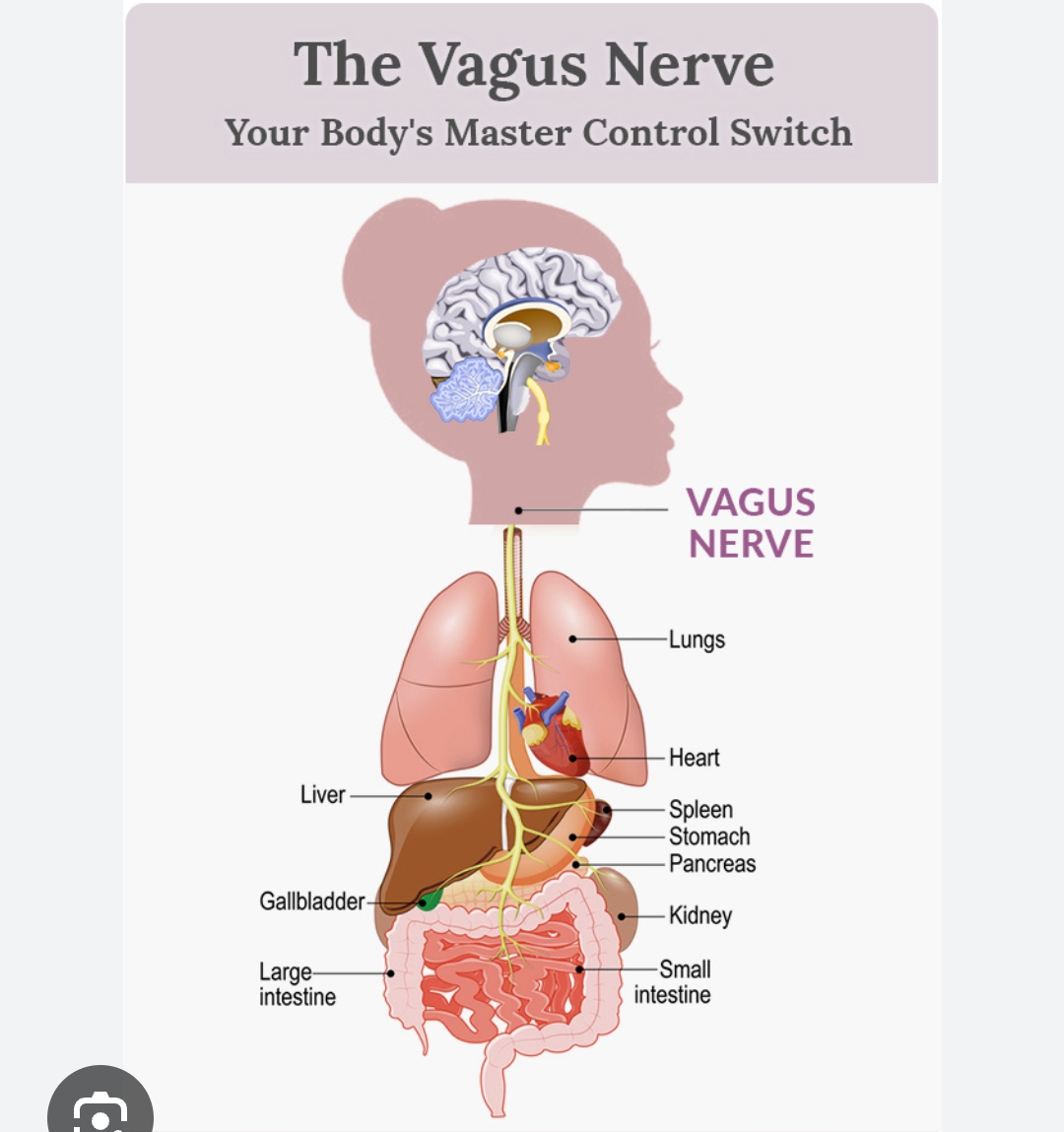
The gut is often described as the body’s second brain because it possesses its own nervous system, called the enteric nervous system, which is densely embedded within the walls of the gastrointestinal tract and operates in constant communication with the brain. This communication occurs through the gut-brain axis, a bidirectional network involving the vagus nerve, immune mediators, hormones, and microbial metabolites, meaning that what happens in the gut can shape what happens in the brain, and vice versa.
Cherinyit
Tuesday, 21 April 2026
The gut is often described as the body’s second brain because it possesses its own nervous system, called the enteric nervous system, which is densely embedded within the walls of the gastrointestinal tract and operates in constant communication with the brain. This communication occurs through the gut-brain axis, a bidirectional network involving the vagus nerve, immune mediators, hormones, and microbial metabolites, meaning that what happens in the gut can shape what happens in the brain, and vice versa.
For this reason, gut discomfort should never be viewed as a minor local problem only affecting digestion. Bloating, constipation, diarrhea, reflux, intestinal inflammation, and microbial imbalance can alter signaling to the brain and are associated with changes in mood, mental clarity, stress response, and even sleep quality. When the gut environment is disturbed, inflammatory signals and altered microbial metabolites may contribute to neuroinflammation and dysregulated neurotransmission, helping explain why many people feel irritable, anxious, tired, or mentally foggy when their gut is unwell.
Restoration of gut health requires a structured approach centered on food quality, microbial support, and lifestyle correction. The first step is to nourish beneficial gut microbes through diverse, fiber-rich whole foods and, where tolerated, fermented foods, because these support microbial diversity and bowel regularity. The second step is to remove or reduce major disruptors such as ultra-processed foods, chronic stress, sleep deprivation, and unnecessary antibiotic exposure, all of which can disturb the gut ecosystem.
In a ketogenic and intermittent fasting framework, restoration should be strategic rather than extreme.
Your Health is Our Priority
Kuttokim- Keto Diet Practitioner & Advocate for Ketogenic Lifestyle
Ready to Start?
Book a consultation today
Take the first step toward your health transformation with a KSh 1,000 consultation.
Book Now →